May 28, 2026
Storm damage can leave residential and commercial properties in disarray, creating blocked access points, safety hazards, and long-term risks for landscapes if not addressed quickly. In these situations, structured cleanup is essential to prevent further damage and restore usable space. Professional support ensures that hazardous materials are handled correctly, reducing strain on property owners and speeding up recovery efforts. A coordinated approach to cleanup helps bring order back to affected environments while minimizing unnecessary disruption.
Immediate Response and Hazard Reduction After Storms
Rapid Site Assessment and Safety Prioritization
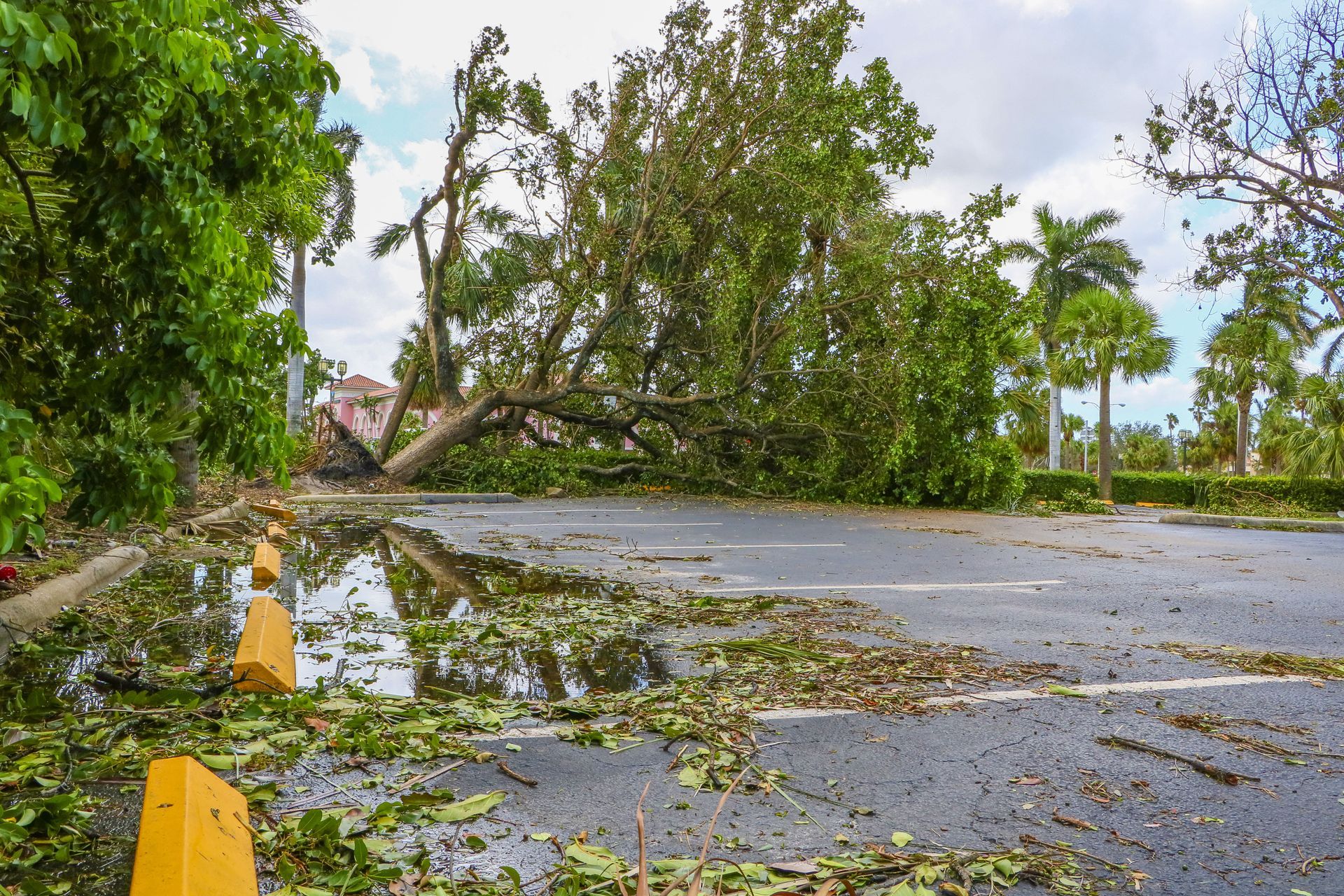
The first stage after a major storm involves evaluating the extent of damage and identifying immediate threats such as unstable limbs, downed trees, and blocked access routes. A trained crew from a debris removal service focuses on isolating high-risk zones before any clearing begins, ensuring that no additional harm occurs during early intervention.
Once hazards are identified, priority is given to areas that impact safety and mobility, including driveways, entry points, and utility-adjacent zones. This structured approach reduces the likelihood of secondary incidents and allows property owners to regain safe movement around their space more quickly. Early intervention also prevents minor damage from escalating into more complex structural or landscape issues.
At this stage, coordination is critical. A debris removal company typically works methodically through a property, addressing the most dangerous elements first while preparing a clear path for full-scale cleanup operations. This phased approach supports efficiency and helps stabilize the environment before heavier removal begins.
Stabilizing Dangerous Trees and Limbs
Storm-damaged trees often remain partially standing but structurally compromised, posing a risk of delayed failure. Stabilization efforts involve careful removal of hanging branches and securing unstable trunks to prevent unexpected collapse. A debris removal service ensures that these tasks are performed with controlled precision to protect surrounding structures.
Attention is also given to trees that are leaning or split but not fully uprooted. These conditions can worsen over time, especially with wind or soil saturation. By addressing them early, crews reduce the chance of additional property damage and make the overall cleanup process more manageable.
This phase often requires multiple site evaluations as conditions shift during cleanup. As hazards are reduced, new areas may become accessible, allowing the work to progress safely and systematically.
Securing High-Risk Property Zones
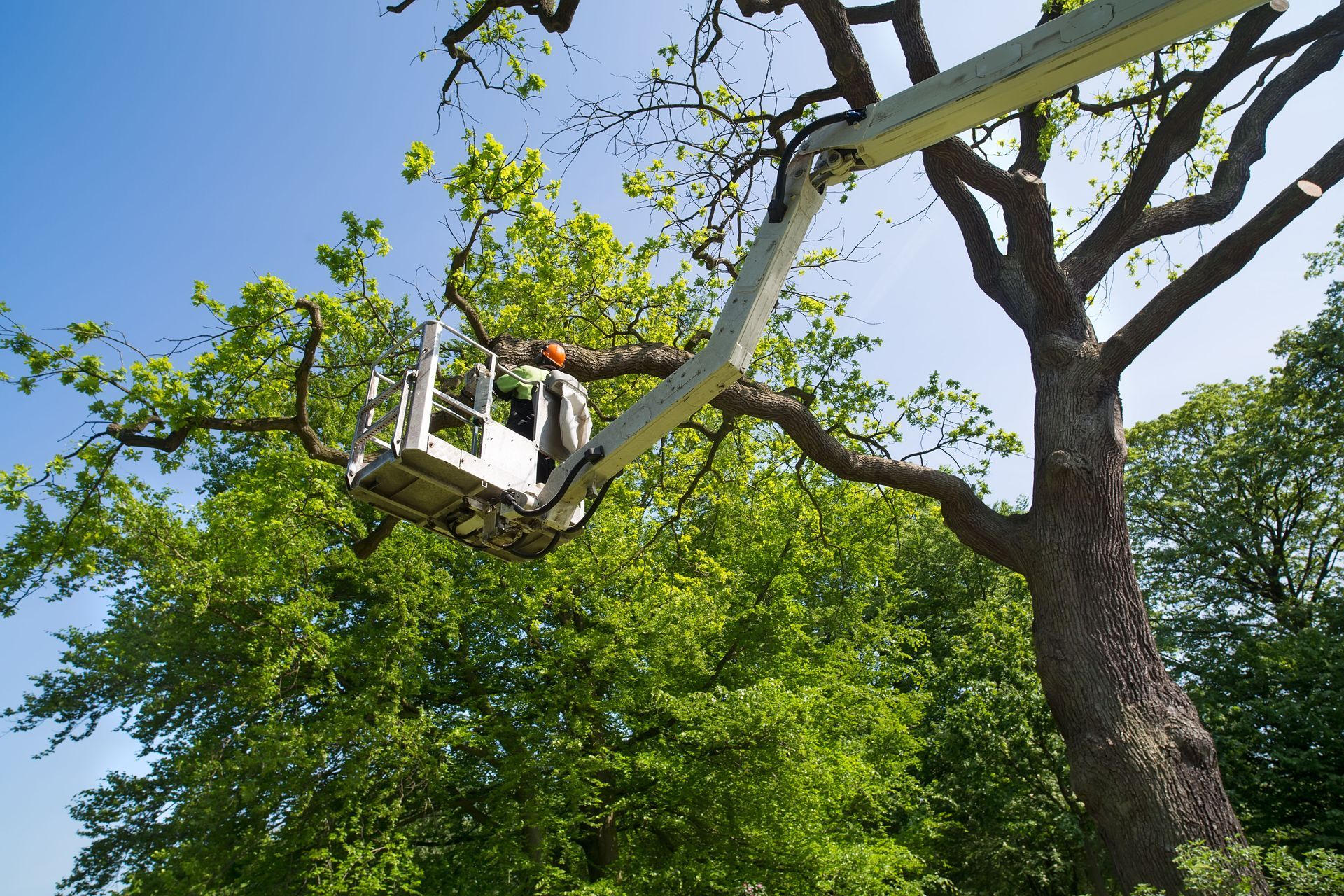
Certain areas of a property, such as rooftops, fencing lines, and areas near utilities, require heightened caution after a storm. These zones are secured early to prevent interference with ongoing cleanup work. A debris removal company often prioritizes these spaces to ensure that no secondary hazards develop during operations.
Clearing around these zones helps restore partial functionality to the property, even before full cleanup is completed. This allows homeowners to access essential areas while more extensive work continues elsewhere on the site.
By isolating and managing high-risk zones, crews establish a controlled environment that supports safer and more efficient recovery efforts overall.
Thorough Debris Clearing and Property Access Restoration
Systematic Removal of Storm Waste
Once immediate hazards are addressed, the focus shifts to clearing large volumes of storm debris, including branches, leaves, and scattered organic material. A debris removal service organizes this process in stages to ensure that all waste is removed efficiently without creating additional obstruction.
This step is essential for restoring visibility and usability across the property. Piles of debris can conceal hazards beneath the surface, so methodical removal helps reveal underlying issues that may still need attention.
In many cases, cleanup teams work section by section, ensuring that each area is fully cleared before moving forward. This prevents interference with already cleaned spaces and improves overall workflow efficiency.
Restoring Driveways and Access Paths
Blocked driveways and walkways are among the most urgent issues following a storm. Restoring these access points is a priority because they directly impact mobility and emergency access. A debris removal company typically focuses early efforts on clearing these routes to reestablish safe entry and exit.
Once cleared, these paths allow for the movement of equipment and additional cleanup resources across the property. This logistical improvement significantly accelerates the remainder of the recovery process.
Clear access also provides property owners with immediate functional relief, even if full restoration is still underway in surrounding areas.
Managing Environmental Impact of Debris Accumulation
Storm debris can place stress on soil, plant life, and drainage systems if left unmanaged. Accumulated organic material can trap moisture and encourage decay, which affects long-term landscape health. A debris removal service helps mitigate these issues by removing excess material before it begins to degrade the environment.
Proper removal also prevents blockages in natural water flow, reducing the risk of pooling or erosion. This is especially important in heavily wooded or landscaped areas where water movement is critical to soil stability.
In some cases, cleanup crews may identify areas where storm impact has altered natural grading or exposed root systems, allowing for more informed restoration planning.
Biological Resilience in Storm-Affected Trees
According to research from Columbia University, trees can lose between 50% and 80% of their canopy without any measurable change in growth performance. In practical terms, this means many trees can recover structurally even after significant canopy loss, provided they are properly managed during cleanup and recovery.
Understanding this resilience helps guide decision-making during debris removal, particularly when determining which trees require removal versus pruning and stabilization. A debris removal service may prioritize preserving structurally sound trees while removing only what is necessary for safety.
This balance between removal and preservation supports long-term landscape health and reduces unnecessary loss of mature vegetation.
Long-Term Landscape Recovery and Prevention
Pruning and Structural Tree Care
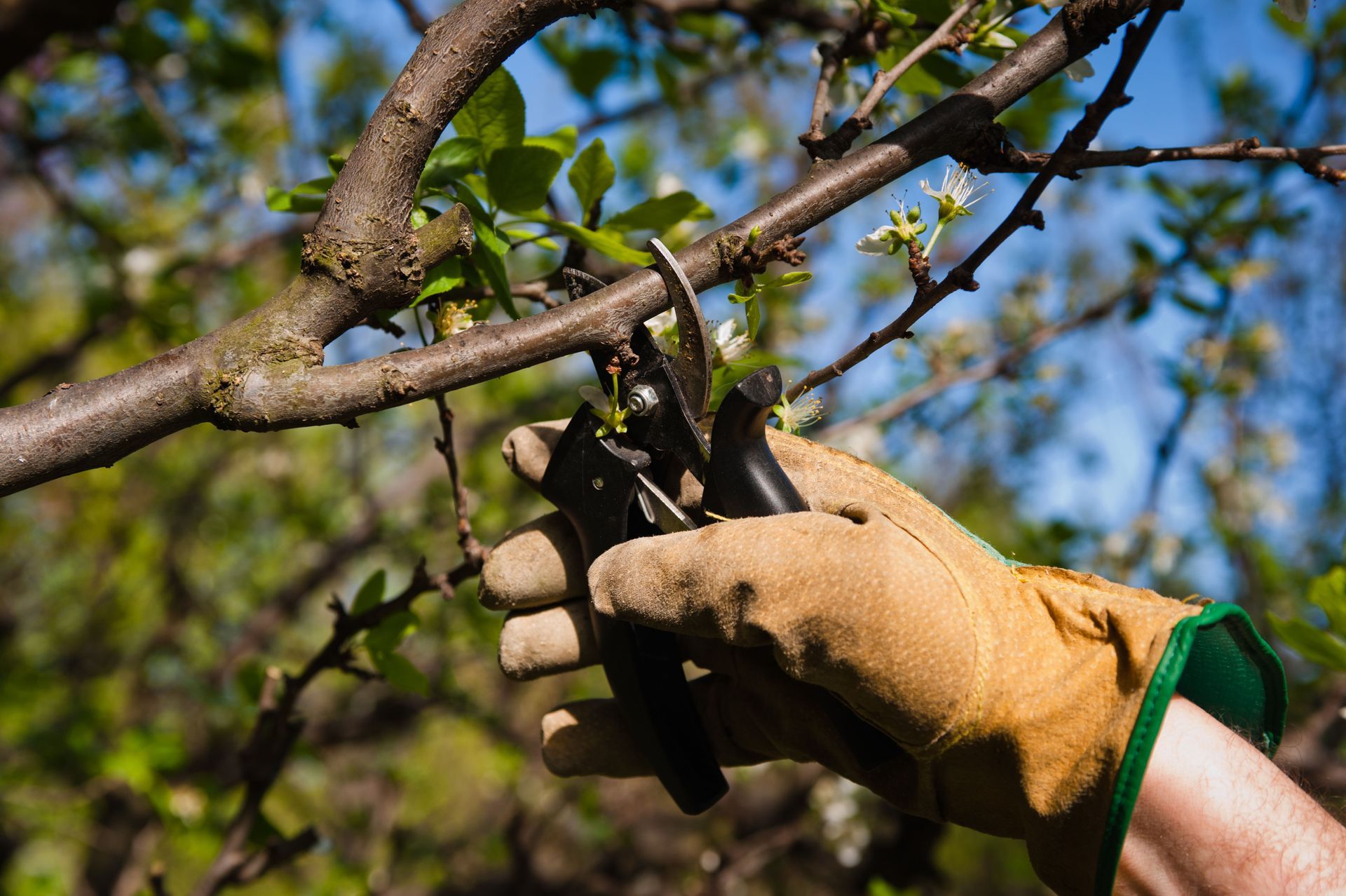
After debris is cleared, attention shifts to long-term recovery through pruning and structural correction of damaged trees. A debris removal service often assists in removing weakened limbs and reshaping growth patterns to reduce future risk.
This process helps trees regain balance and reduces the likelihood of future storm-related breakage. Proper pruning also improves airflow and sunlight distribution, which supports healthier regrowth over time.
In addition to immediate recovery, this phase lays the foundation for stronger landscape resilience in future weather events.
Stump Removal and Ground Restoration
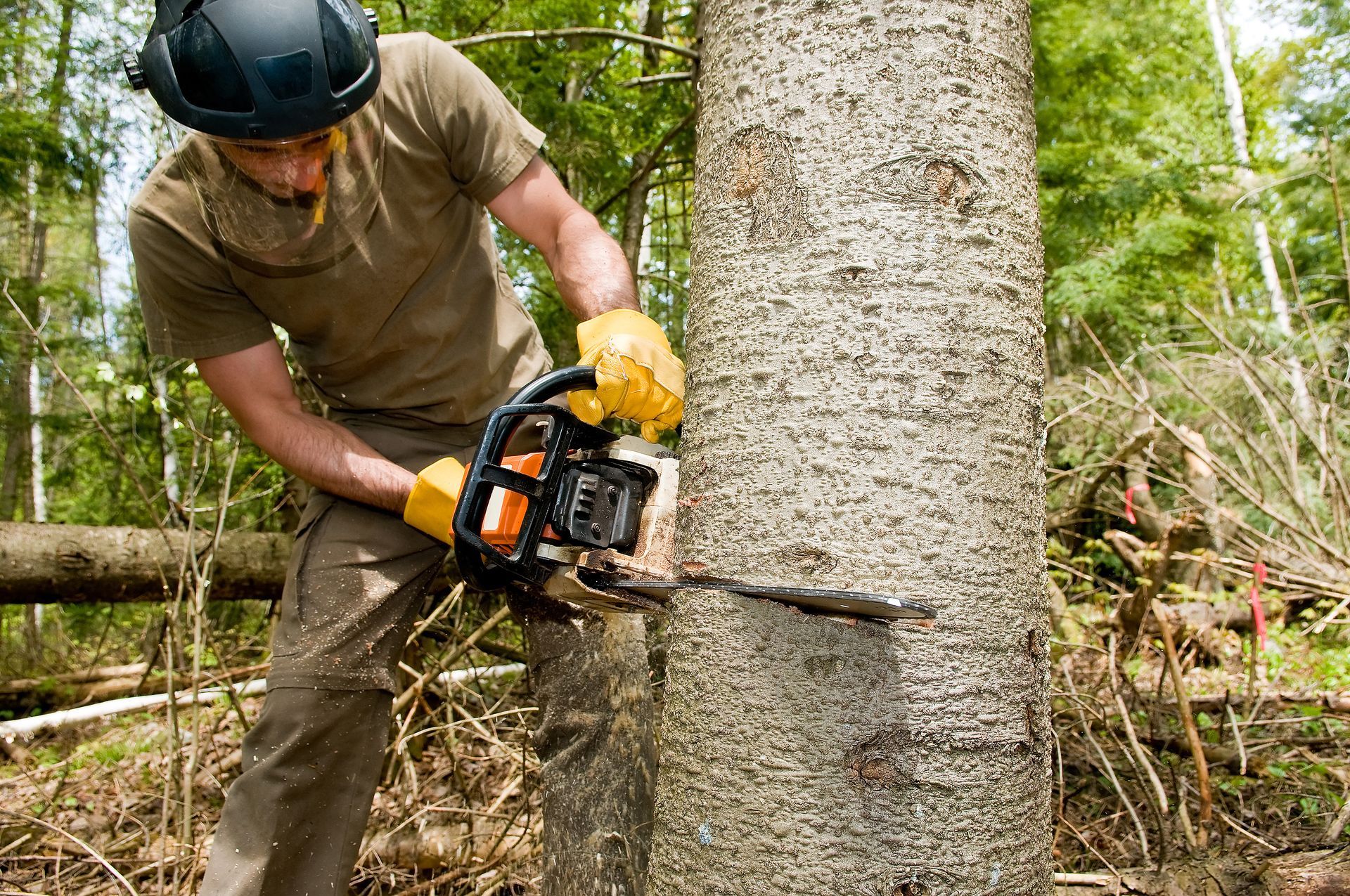
Stumps left behind after storm damage can create obstacles for both safety and land use. Removing them helps restore full usability to the property while preventing pest attraction and decay-related issues. A debris removal service typically includes stump extraction as part of a comprehensive recovery approach.
Once stumps are removed, the ground can be leveled and prepared for replanting or other landscaping improvements. This step is essential for returning the property to a functional and visually cohesive state.
Ground restoration also helps prevent uneven terrain, which can pose risks during future maintenance or storm conditions.
Preparing Landscapes for Future Storm Events
Long-term recovery includes planning for resilience against future storms. This involves evaluating tree placement, spacing, and structural health to reduce vulnerability. A debris removal service often contributes insight based on observed damage patterns during cleanup.
Strategic pruning, selective replanting, and improved spacing between trees can significantly reduce wind resistance and falling hazards. These adjustments help create a more stable landscape environment over time.
By focusing on prevention as well as recovery, property owners can reduce the severity of future storm impacts and maintain safer outdoor spaces.
Storm recovery requires a structured and methodical approach that addresses immediate hazards, restores access, and supports long-term landscape stability. With coordinated cleanup and careful attention to property conditions, recovery becomes more manageable and less disruptive. A well-executed process ensures that damaged areas are stabilized, cleared, and prepared for renewed use while setting the foundation for stronger resilience in future weather events. For professional debris removal you can rely on after a storm, reach out to Brothers in Arms Tree Services!