April 10, 2026
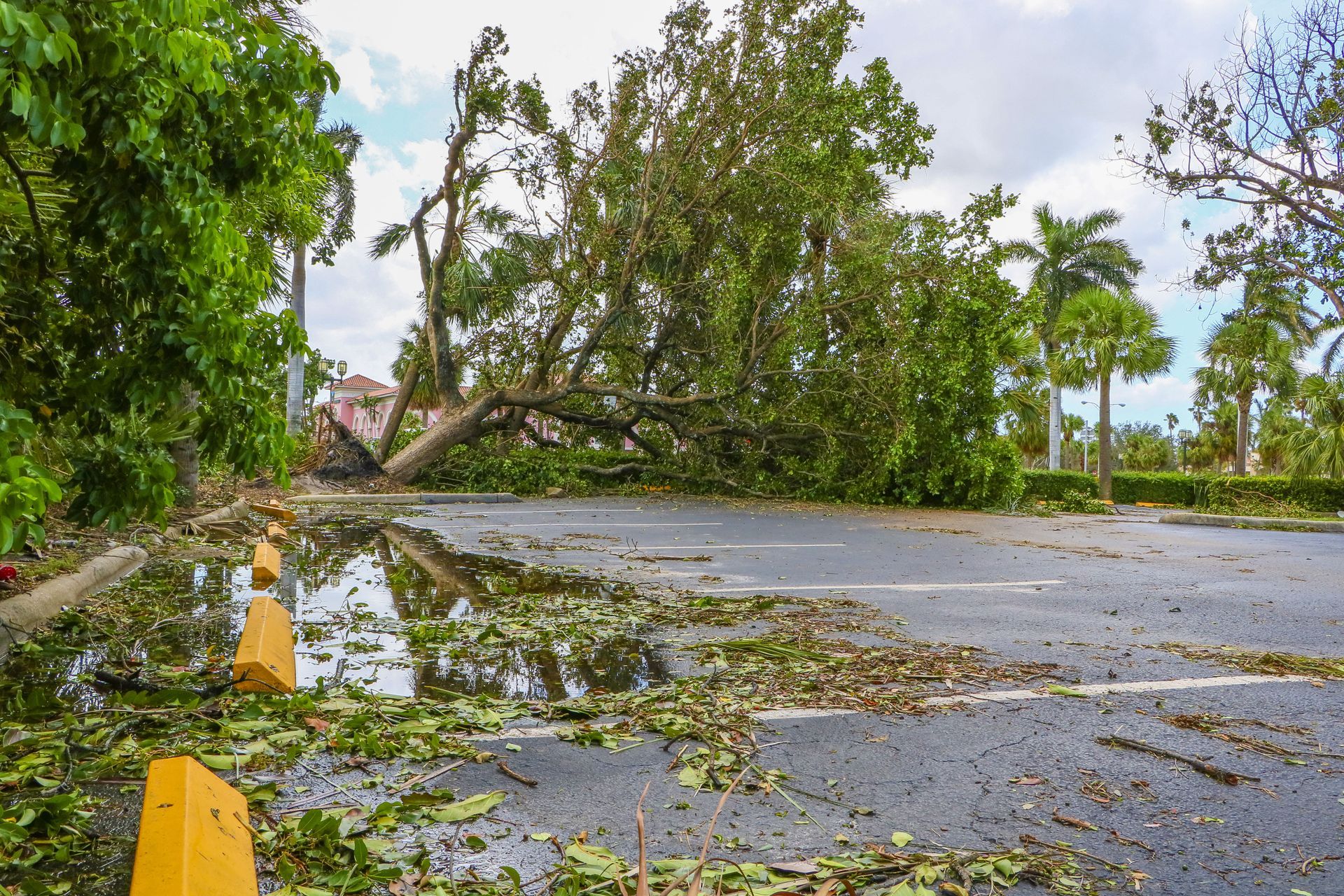
When a tree falls, whether due to a storm, disease, or structural weakness, the situation can be both dangerous and overwhelming. Fallen trees can block roads, damage property, and create safety hazards for your family and neighbors. The impact of a fallen tree is not always immediately obvious; branches may have weakened structures, hidden cracks, or unstable soil that can create ongoing risks. Knowing how to respond quickly and effectively is crucial, not only to protect your property but also to ensure the safety of everyone around. This guide walks you through each step to manage a fallen tree and ensures you access the right help when you need it most. By taking a methodical approach, you can reduce stress and prevent additional damage.
Assessing the Situation Safely
The first step when a tree falls is to carefully assess the situation without putting yourself at risk. Safety is the highest priority, and rushing in can lead to serious injuries or worsen the situation. Begin by observing the area from a safe distance. Look for hazards such as downed power lines, broken branches, sharp debris, or unstable limbs. Never attempt to approach or move a tree that is tangled with electrical wires; electrocution can occur even if the wires appear inactive.
Evaluate the size of the tree and the extent of the damage it caused. If the tree has fallen on your home, vehicles, fences, or other structures, it is essential to maintain a safe perimeter and evacuate anyone in immediate danger. Children, pets, and neighbors should be kept at a safe distance until the site is secure.
Contacting Emergency Tree Services Promptly
Once the area is assessed and safety measures are in place, contacting professional help is critical. Emergency tree services have the knowledge, tools, and experience necessary to safely remove fallen trees, stabilize hazardous situations, and prevent further property damage. Large or compromised trees can be unpredictable, and attempting to remove them without the right equipment can lead to serious injury or additional destruction.
Professional services provide more than just removal—they can stabilize a tree to prevent it from shifting unexpectedly, protect structures from additional damage, and manage debris effectively. Many companies offer 24-hour response for emergencies, meaning they can arrive promptly even during storms or after hours. When you call, give a clear description of the situation, including the size of the tree, any hazards present, and whether the tree has impacted structures or vehicles. This allows the team to prepare the right equipment and plan for safe removal.
Choosing professional emergency tree services ensures that you are covered in the event of accidents during removal. Professionals can also assess whether nearby trees or structures are at risk and recommend preventive measures for the future. By acting quickly, you reduce the chance of secondary damage and protect both your property and your family.
Documenting Damage for Insurance Purposes
Before any cleanup begins, documenting the scene is essential for insurance claims. Take detailed photos of the fallen tree, the affected property, and surrounding areas. Capture close-ups of structural damage as well as wide shots that show the tree’s position relative to your home, driveway, or other landmarks.
It is also helpful to create written notes, including the time, date, and conditions at the time of the tree fall. Include any observations about the tree’s health, its proximity to power lines, or unusual weather conditions. This level of detail can support your insurance claim, speed up processing, and ensure fair compensation.
Remember to keep all receipts and invoices for any temporary solutions implemented, such as securing a damaged roof, boarding up windows, or renting equipment for debris removal. These records, combined with your photographic evidence, create a comprehensive case that protects your financial interests while ensuring repairs can proceed without unnecessary delay.
Removing Debris Carefully
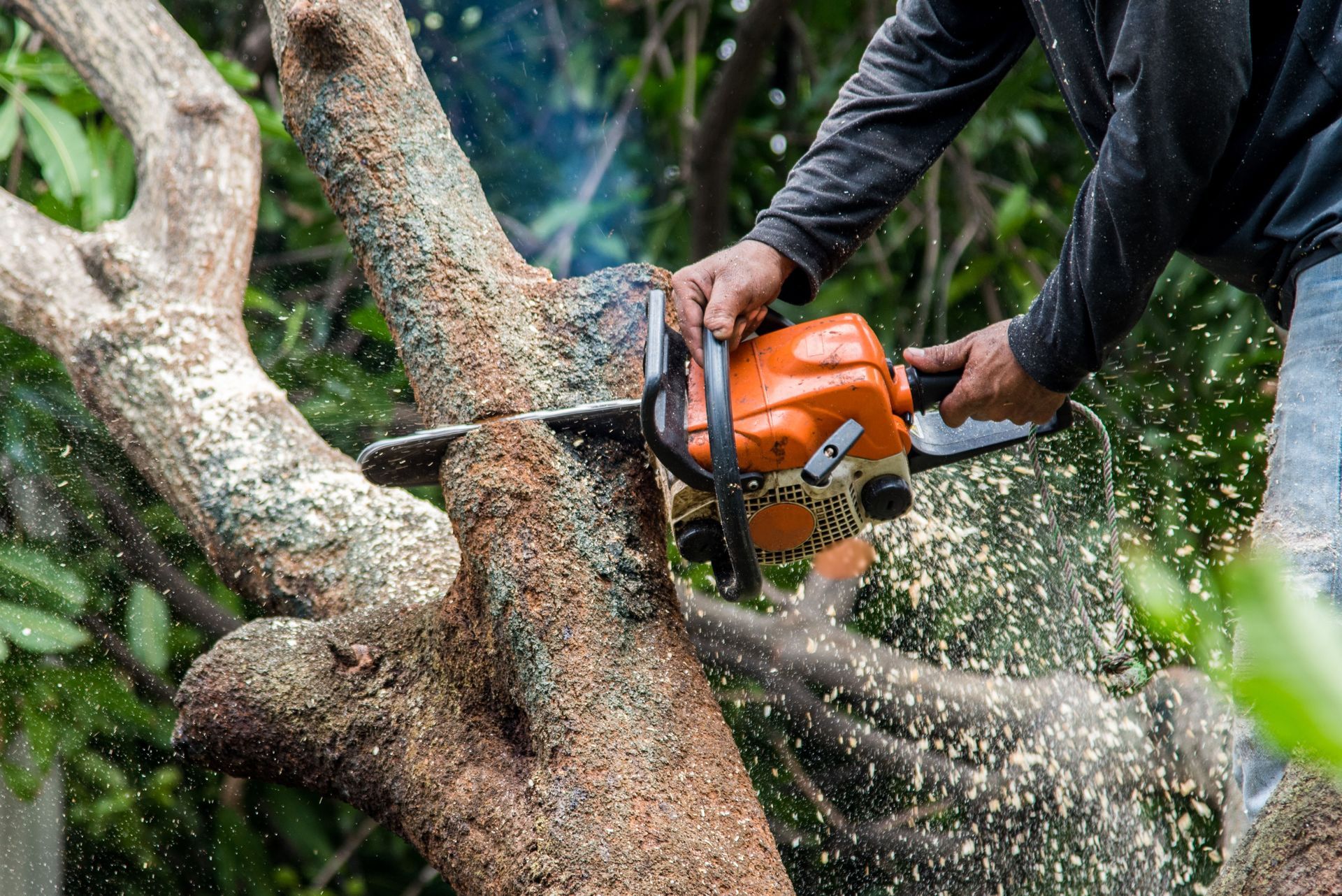
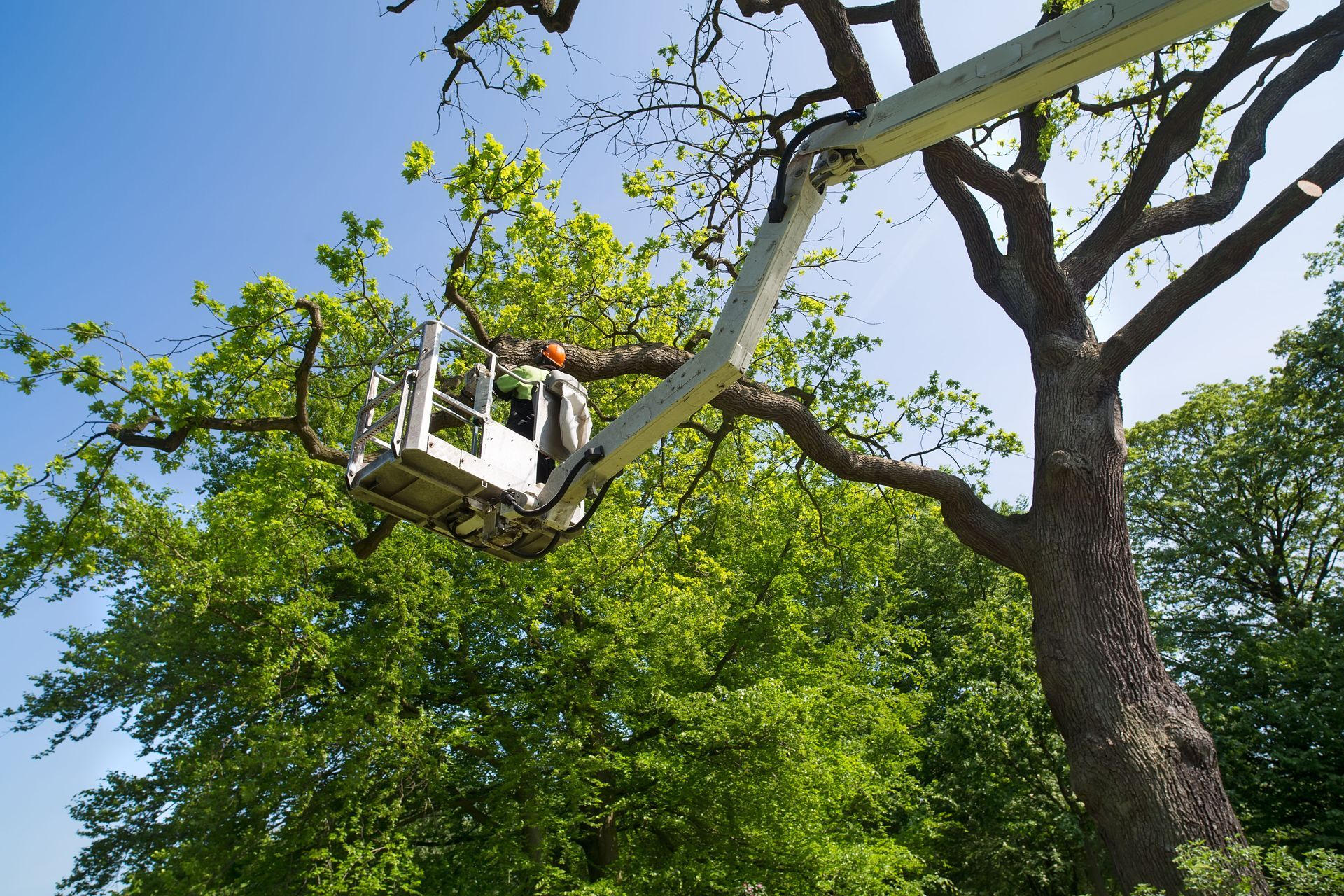
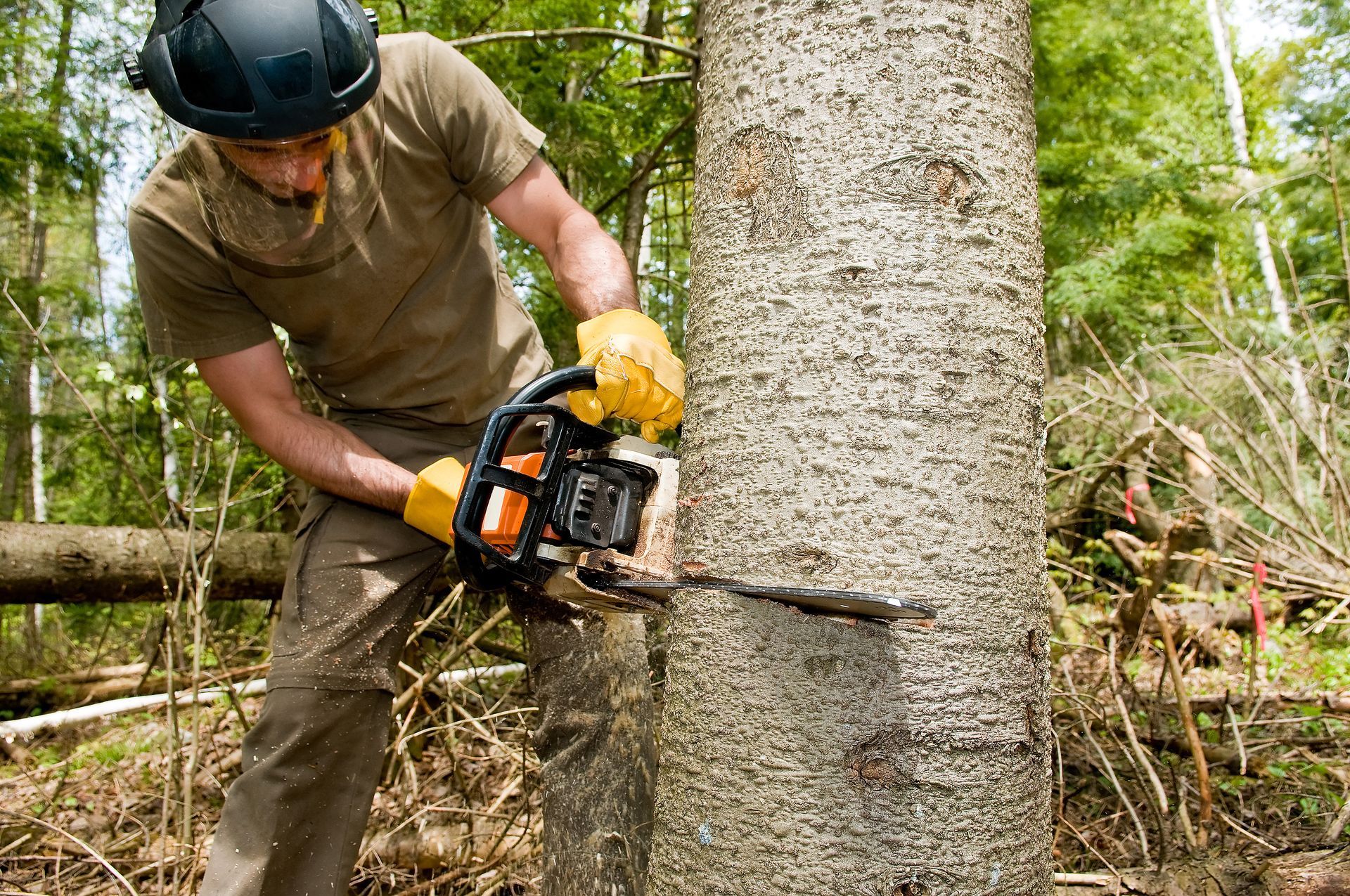
Tree removal should always be left to professionals, but understanding the process can help you prepare the site and prevent interference. Emergency tree services use specialized equipment such as chainsaws, cranes, rigging systems, and heavy-duty trucks to cut and remove tree sections safely. Large trees are typically removed in segments to reduce the risk of uncontrolled movement and prevent further property damage.
Before professionals arrive, ensure that the area is clear of bystanders, pets, and vehicles. Establish a clear perimeter and mark unsafe zones if necessary. Professionals may need to tie or secure remaining branches, stabilize leaning sections, or use protective barriers to control debris.
During debris removal, crews not only handle large limbs and trunks but also remove smaller brush, leaves, and broken branches. They can properly dispose of debris through chipping, hauling, or recycling, leaving the area safe and clean. Attempting to remove large sections yourself can result in serious injuries, particularly if the tree is heavy, tangled, or has unpredictable weight distribution. By understanding the professional process, you can appreciate the care and expertise required, and be prepared to follow their guidance safely.
Preventing Further Hazards
Once the tree is removed, assessing the surrounding area for additional risks is important. Fallen trees can leave exposed roots, unstable soil, or nearby trees weakened by disease, wind, or structural imbalances. Emergency tree services often provide advice on trimming, stabilizing, or removing trees that may pose future hazards.
According to Market Growth Report, around 2.9 million trees were removed in the U.S. due to closeness to power lines in recent years. This statistic underscores the importance of monitoring trees near utility lines and other sensitive areas to prevent emergencies before they happen. Proactively addressing potential hazards not only protects your property but also reduces the likelihood of costly emergency situations in the future.
Planning for Long-Term Tree Care
Long-term tree care is critical once the immediate emergency has been addressed. This includes assessing the health of remaining trees, identifying weak or at-risk specimens, and scheduling regular inspections. Emergency tree services often offer follow-up consultations to help property owners develop a comprehensive plan that ensures the safety and stability of their landscape.
Proper tree maintenance involves understanding species-specific needs, including watering, fertilization, pruning schedules, and disease management. Healthy, well-maintained trees are less likely to fall during storms or succumb to structural weaknesses. Replacing removed trees with species suited to your local climate, soil conditions, and property layout also reduces future risk.
Preparing for Future Tree Emergencies
Even with careful maintenance, emergencies can still occur. Preparing for future tree incidents involves creating a response plan that outlines safety steps, emergency contacts, and insurance procedures. Keep the contact information for trusted emergency tree services readily available, and ensure that family members or neighbors know what to do in case a tree falls unexpectedly.
Stocking basic equipment, such as gloves, safety cones, and first-aid kits, can help manage minor hazards until professional help arrives. Educating your household about the dangers of fallen trees, especially near power lines or damaged structures, ensures everyone reacts safely and efficiently.
By preparing in advance, you reduce panic, speed up response times, and prevent unnecessary injuries. Knowledge and preparedness are key to managing emergencies confidently and effectively.
If you find yourself facing a fallen tree or urgent tree hazard, trust the experienced team at Brothers in Arms Tree Services to respond promptly and safely. Their experts are ready to assist with emergency tree services, cleanup, preventive planning, and long-term tree care solutions to keep your property safe and your peace of mind intact.