May 11, 2026
The importance of tree maintenance cannot be overstated. Crown reduction and clearance tree trimming are pivotal techniques that ensure both the safety and healthy growth of trees. According to the Tree Care Industry Association, the U.S. had around 63,700 employed tree trimmers and pruners in 2023, highlighting the importance of skilled labor in this domain. This article explores why these methods are essential, offering an in-depth look into their benefits and practices.
The Role of Clearance Tree Trimming
What is Clearance Tree Trimming?
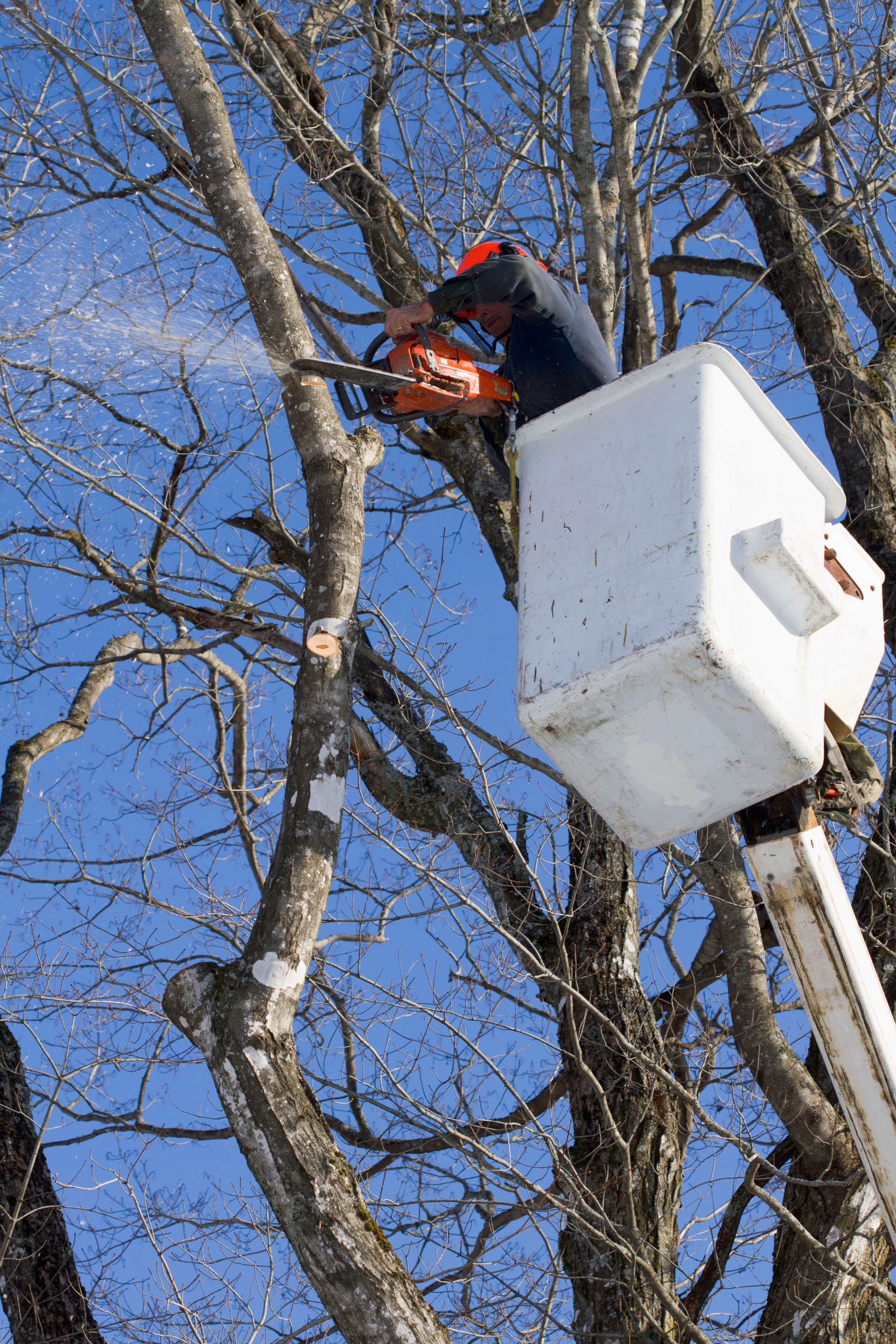
Clearance tree trimming is the process of removing branches that may obstruct buildings, power lines, or urban infrastructure. This practice focuses on securing a safe distance between tree growth and human-made structures. Ensuring clear spaces around trees prevents potential hazards associated with fallen limbs or stretched power lines. It also facilitates better accessibility and movement around densely treed areas. Clearance trimming underlines the necessity of creating harmony between trees and urban development.
Importance for Public Safety
The role of clearance tree trimming in maintaining public safety is pivotal. Trees situated near roads, power lines, and pavements require regular trimming to avert accidents and power outages. Branches that grow into vital public infrastructures can lead to service disruptions and significant repair costs. By maintaining adequate clearance, communities reduce the risk of accidents involving pedestrians and vehicular traffic. This proactive maintenance is critical, particularly in densely populated areas where tree growth must be effectively managed.
Aesthetic and Environmental Benefits
Clearance tree trimming serves aesthetic purposes, ensuring trees maintain an appealing shape while fitting well into their surroundings. Pruned trees reflect tidiness and care, enhancing the scenic value of neighborhoods and public spaces. Environmentally, clearance trimming contributes to healthy tree growth by allowing more sunlight and air to reach the inner parts of the tree. It also encourages better flowering and fruit production by removing dead or dense branches that impair growth. This method harmonizes the visual and ecological contribution of trees to the landscape.
Impact on Property and Infrastructure
The impact of clearance tree trimming on property value and infrastructure is significant. Well-maintained trees and landscapes can enhance property value by providing an esthetic appeal that potential buyers find attractive. Clearance trimming also prevents potential damage to infrastructure like roofs, fences, and power lines, therefore reducing costly repairs or property depreciation. Moreover, proactively managing tree growth prevents interruptions to services, safeguarding the utility function and sustainability of urban infrastructure. This balance of utility and aesthetics underscores the importance of regular and effective tree maintenance.
Compliance with Local Regulations
Clearance tree trimming must align with local regulations to ensure community and environmental standards are met. Many municipalities have specific guidelines on how close branches can grow to power lines or buildings. Failure to comply with these regulations can lead to fines or legal issues for property owners. Trained professionals are typically well-versed in these ordinances, ensuring their trimming practices are both effective and legal. Adherence to these rules not only maintains public safety but also fosters community-wide environmental stewardship.
The Intersection of Safety and Tree Health
Preventing Property Damage
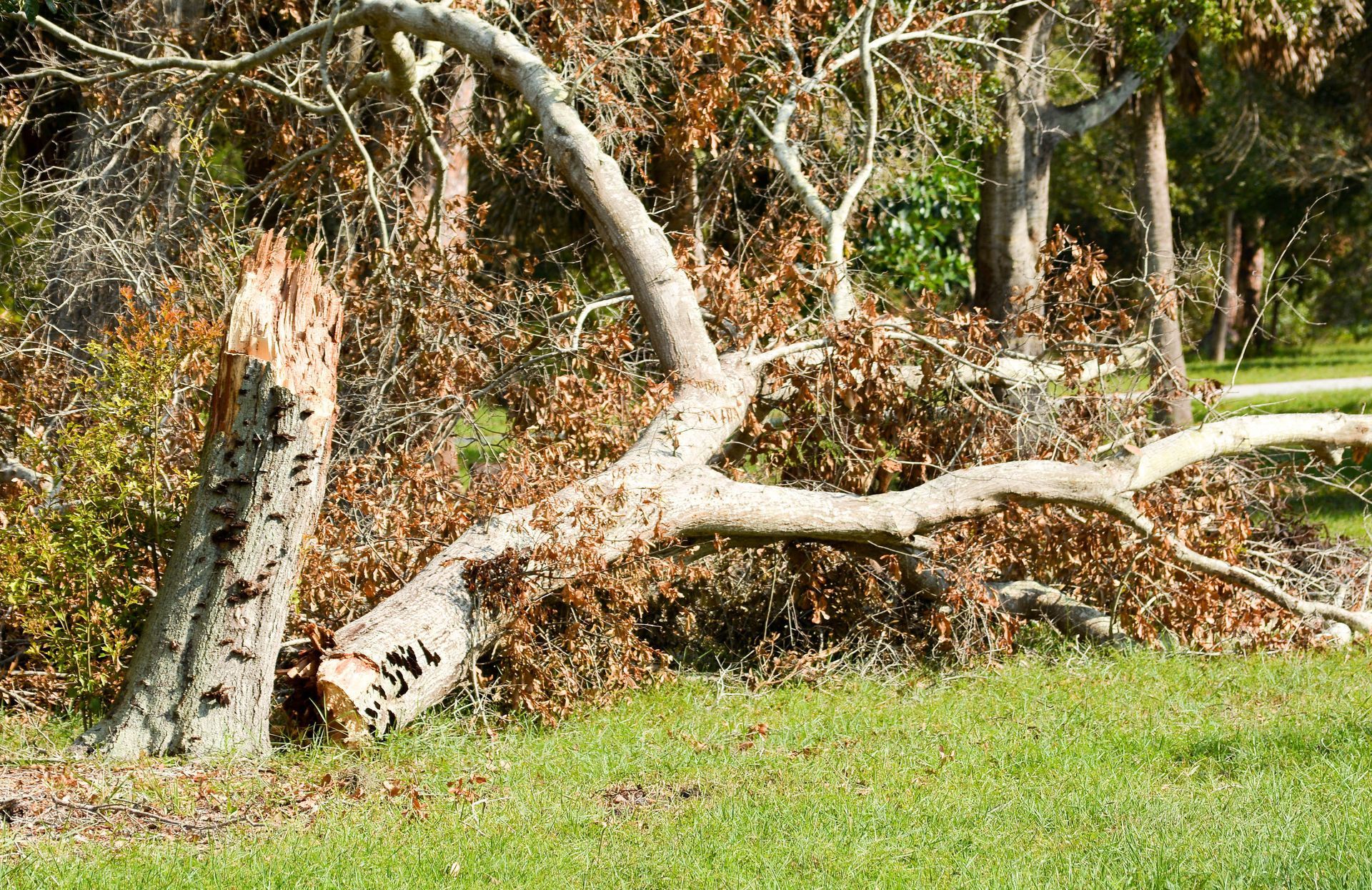
Implementing tree maintenance practices like crown reduction and clearance trimming is a strategic approach to preventing property damage. Overgrown limbs can pose a threat to property structures, especially during severe weather conditions. Heavy branches left unchecked can break off and cause significant damage to roofs, windows, and vehicles. Regular trimming reduces these risks by maintaining trees at a manageable size, ensuring they remain safe during adverse weather. This proactive approach not only protects property but also increases the property's perceived value by maintaining its aesthetics.
Reducing Risks of Personal Injury
Regular tree maintenance significantly decreases risks associated with personal injury. Fallen branches or debris from poorly maintained trees can lead to serious accidents involving pedestrians or passersby. By ensuring branches are adequately trimmed, property owners contribute to creating safer pathways and communal spaces. Minimizing these risks requires an assessment by trained arborists who can identify potential hazards before they become critical issues. The responsibility of maintaining tree safety extends to protecting lives and enhancing communal well-being.
Ensuring Healthier Tree Growth
Crown reduction and clearance trimming contribute to healthier tree growth, fostering robust and disease-resistant species. Trimming increases light and airflow through a tree's canopy, reducing the likelihood of fungal diseases and pest infestations. Healthier trees can thrive better in urban environments, providing increased ecological benefits like clean air and habitats for wildlife. Consistent maintenance ensures that trees grow strong and consistently, supporting biodiversity and improving the well-being of surrounding ecosystems. These benefits underpin the sustainable development of urban green spaces.
Minimizing Storm Damage
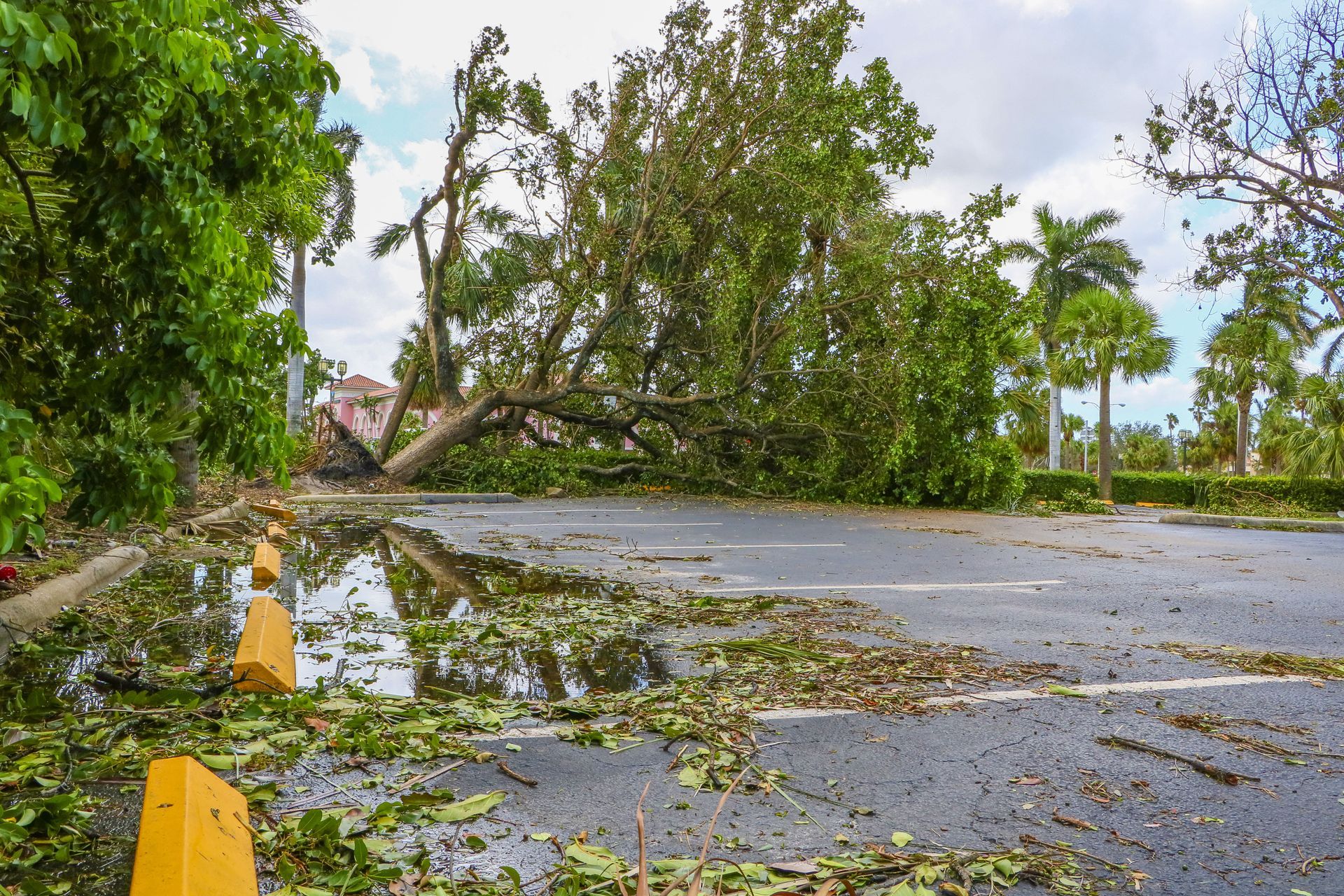
Proper tree management is crucial in minimizing storm damage, especially in regions prone to severe weather. Rigorous pruning and thinning strategies ensure that a tree's framework can withstand strong winds, reducing the risk of branches snapping under pressure. By removing dead or heavy limbs, the chances that a tree will be compromised in a storm decrease significantly. Storm preparedness through regular maintenance not only protects the tree itself but also safeguards surrounding areas. Thus, communities benefit from reduced emergency response costs and a resilient green infrastructure.
Balancing Tree Health with Safety Needs
The intersection between tree health and safety is a delicate balance that requires decision-making. Prioritizing both facets ensures that trees add value to their environments without posing risks. Arborists must consider both the ecological contributions of trees and the practical safety needs of the area when executing trimming practices. Techniques like selective pruning contribute to this balance, encouraging tree vitality while maintaining safety standards. Successful management leads to thriving trees that are integral to safe and sustainable community lifestyles.
Best Practices for Effective Tree Trimming
Understanding Different Tree Species
Effective tree maintenance demands an understanding of the diverse species attributes and requirements. Each species has its distinct growth habits, disease susceptibilities, and trimming demands. For instance, fast-growing species might need more frequent pruning while slower-growing varieties can be trimmed less often. Arborists need to educate themselves on species-specific pruning techniques to maximize tree health and reduce unnecessary stress. Knowledge of species characteristics allows for tailored approaches that benefit not only individual trees but also the broader ecosystem they form part of.
Training and Qualifications for Arborists
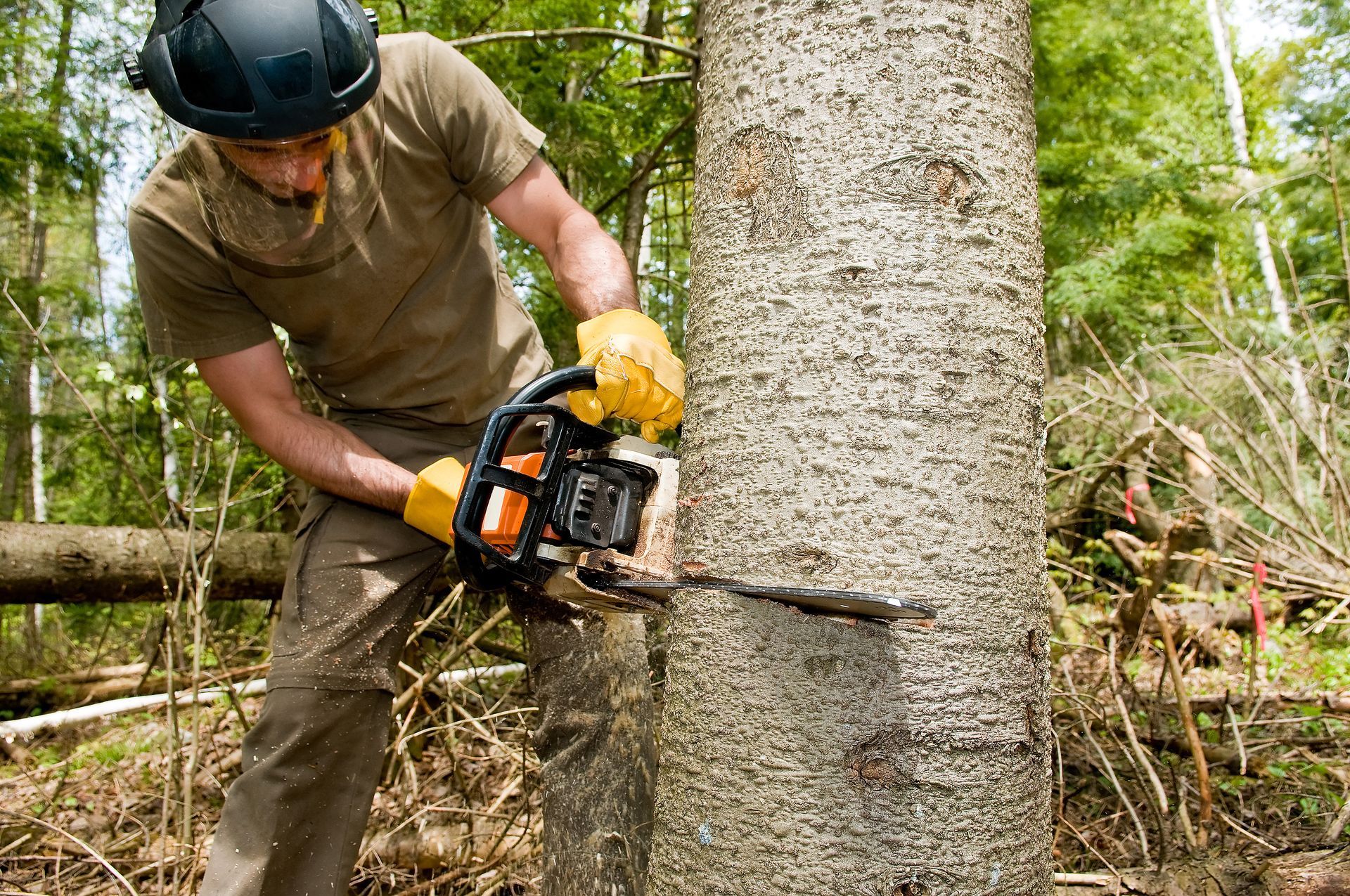
The importance of well-trained and qualified arborists in tree trimming practices cannot be overstated. Comprehensive training programs must cover essential aspects of tree biology, pruning techniques, and safety protocols. Professional organizations offer certification that ensures arborists possess the necessary skills and knowledge to practice safely and effectively. Leveraging industry standards and ongoing education opportunities is critical to advancing the professionalism of the industry. Well-trained arborists can achieve better outcomes both for tree health and community safety, contributing to an elevated standard of urban and rural forest management.
Innovative Techniques and Technologies
Recent innovations in tree maintenance techniques and technologies are revolutionizing how arborists approach tree trimming. The development of automated tools and the integration of drone technology provide enhanced precision in tree assessments and maintenance planning. Innovations in software allow for more precise modeling and forecasting of tree growth patterns, leading to better-informed trimming practices. Arborists are increasingly using environmentally-friendly tools and techniques that minimize ecosystem disruption while maximizing efficiency. These advancements support sustainable tree management practices that balance safety, aesthetics, and ecological integrity.
Crown reduction and clearance tree trimming play critical roles in ensuring tree safety and encouraging robust growth. By understanding and implementing these practices, communities and individuals can not only protect their properties and the public but also foster a healthier environment. Prioritizing these methods leads to long-term economic, aesthetic, and ecological benefits. If you need tree trimming services, reach out to Brothers in Arms Tree Services today!