February 13, 2026
Trees provide shade, beauty, and environmental benefits, but they can also present serious risks to homes, especially roofs. Over time, trees that are too close to a structure can compromise roofing integrity, lead to costly repairs, and even endanger the safety of occupants. With increasingly severe weather patterns and seasonal shifts, the risks posed by trees grow more pronounced. Proactive tree removal is one of the most effective strategies to prevent damage, reduce financial burdens, and maintain the long-term value of your property. By understanding the risks, financial implications, and preventive strategies associated with trees near homes, property owners can make informed decisions to safeguard their investment.
Understanding the Risks Trees Pose to Your Roof
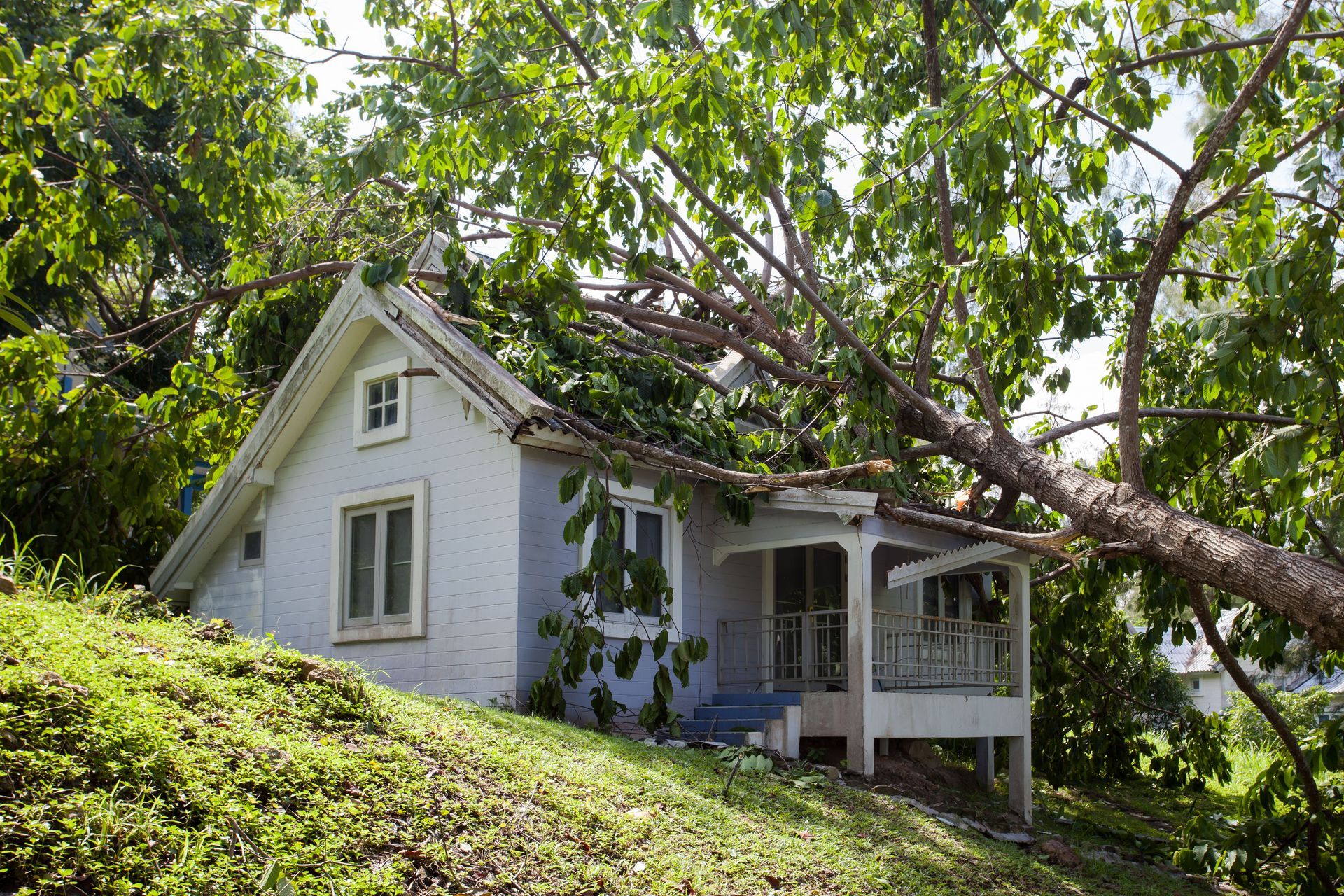
Trees can impact roofs in both direct and indirect ways. Overhanging branches, for instance, can scrape against shingles, weakening protective layers over time. During storms, branches may break and fall, puncturing roofing materials or damaging gutters. Even minor impacts can compromise the roof’s ability to repel water, increasing the risk of leaks and interior damage. Additionally, leaves, needles, and other debris accumulate in gutters and on roof surfaces, trapping moisture and creating ideal conditions for mold, mildew, and rot. Root systems also contribute to structural instability by shifting soil and affecting the foundation, which can indirectly compromise roof integrity. According to the National Storm Damage Center, falling trees are the main causes of roof damage, costing more than $1 billion in property damage each year. This statistic underscores why tree removal is not simply an aesthetic choice—it is a necessary preventative measure.
How Trees Contribute to Water Damage
Moisture accumulation is one of the most significant consequences of unmanaged trees near homes. When branches and leaves pile up in gutters, downspouts, and on roof surfaces, water cannot flow away from the building properly. This creates standing water, which increases the likelihood of leaks and roof deterioration. Over time, moisture seeps under shingles, saturates insulation, and damages wooden structures. Roof rot and mold growth often follow, both of which can compromise indoor air quality and structural stability. Tree removal, combined with regular gutter cleaning, is critical to preventing these water-related problems. By eliminating the source of constant debris, homeowners reduce the risk of leaks and expensive water damage repairs.
The Financial Impact of Neglecting Tree Management
The cost of roof repairs caused by trees can escalate rapidly. Minor repairs, such as replacing damaged shingles or cleaning gutters, may only cost a few hundred dollars. However, severe damage, such as punctured roofs, structural weakening, or interior water damage, can cost thousands. Water intrusion can further affect ceilings, walls, floors, and insulation, and mold remediation costs can quickly add up. Many homeowners rely on insurance for coverage, but policies often have limitations. Damage resulting from negligence—such as failing to remove known hazardous trees—may not be covered. Proactive tree removal reduces both repair costs and insurance risks, providing a predictable, controlled solution to protect your property.
Seasonal and Weather-Related Threats
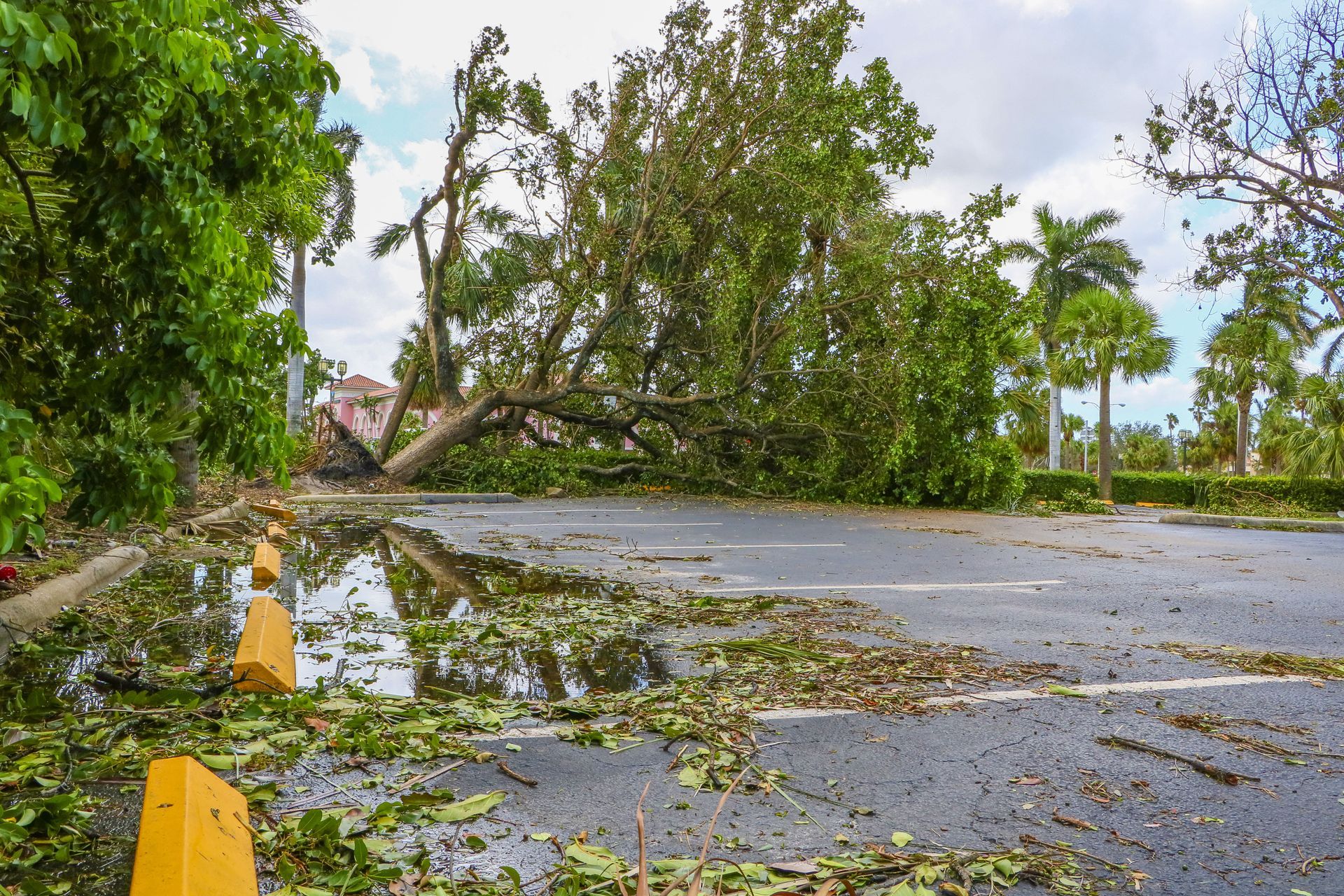
Trees pose different risks depending on the season and local weather conditions. Strong winds, ice, and heavy snow can break branches or even uproot trees, directly impacting roofs and other structures. In autumn, deciduous trees shed leaves, increasing the likelihood of clogged gutters and water overflow. Coniferous trees, with their dense branches, can accumulate snow and ice, making limbs more likely to snap under weight. Spring rains saturate soil, which can destabilize roots and make large trees more prone to falling. By assessing seasonal threats and implementing proactive tree removal, homeowners can prevent damage before it occurs. Planning removal in advance of peak storm seasons can dramatically reduce emergency repair expenses and protect both the roof and interior of the home.
Evaluating Which Trees Pose a Risk
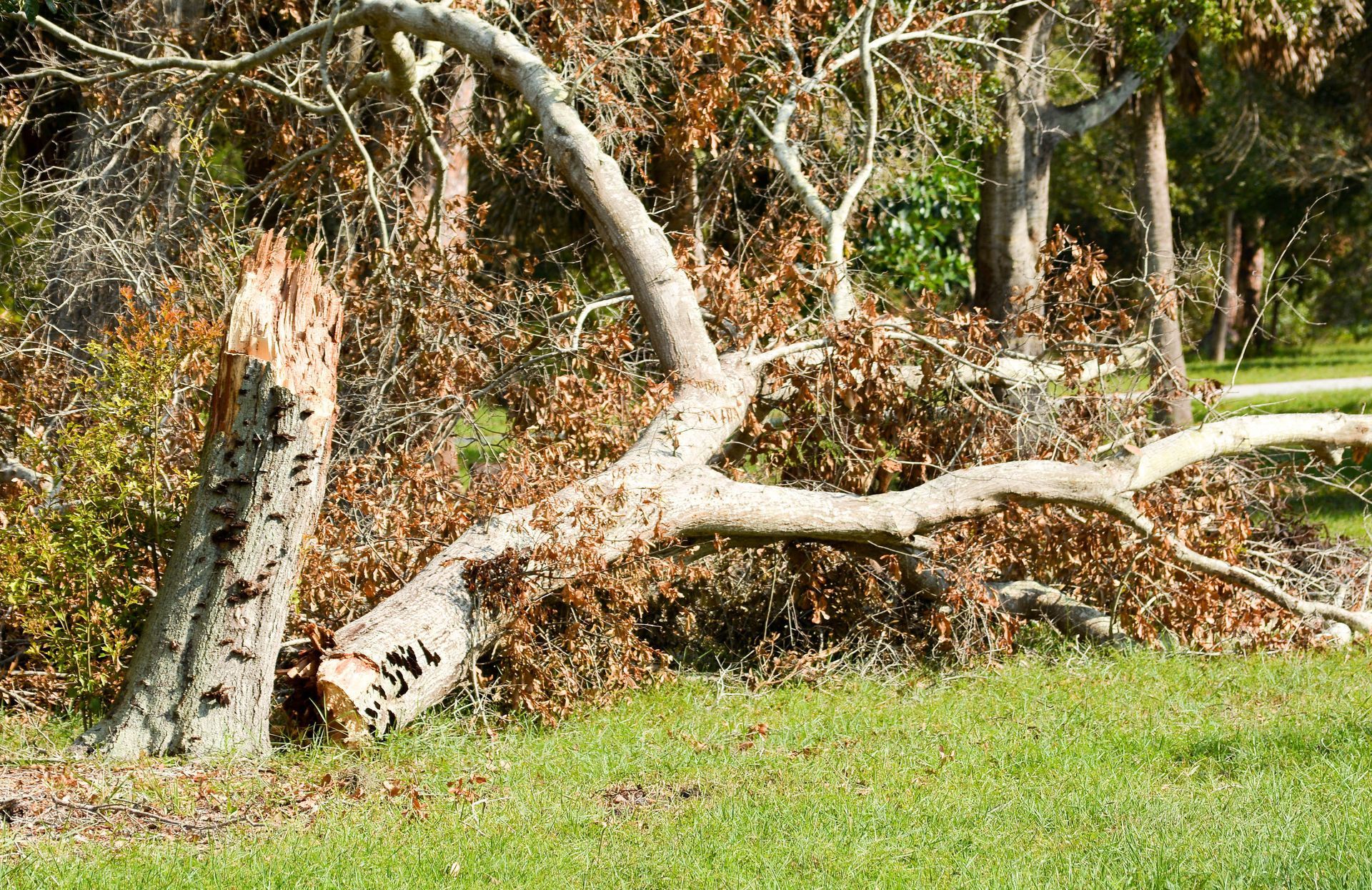
Not all trees pose the same level of threat. Certain species, such as oaks and maples, grow large, produce heavy branches, and can cause significant damage if they fall. Pines shed needles and sticky sap, which can damage roofing surfaces and clog gutters. Beyond species, tree health is a critical factor. Trees showing signs of disease, fungal growth, or structural instability are more likely to fail. Leaning trees or those with cracked trunks require immediate attention. Root proximity to foundations is also essential; extensive root systems can shift soil and compromise the home’s structural balance. Professional assessment by certified arborists is often necessary to determine which trees should be removed and which can remain safely. Proper evaluation ensures that tree removal is targeted, effective, and cost-efficient.
Long-Term Benefits of Proactive Tree Removal
Proactive tree removal delivers long-term benefits that extend beyond immediate safety. Removing high-risk trees reduces ongoing maintenance needs, such as frequent gutter cleaning, debris removal, and emergency repairs. Roofs are protected from repeated minor impacts, which can accumulate into major structural issues over time. Proper tree removal also enhances roof longevity, keeping shingles and underlayment intact and functional for longer periods. In addition, a clear, hazard-free landscape improves property aesthetics and marketability. Potential buyers often consider the condition of surrounding trees when evaluating home safety. Homes with professionally managed landscapes are more appealing and may command higher resale value.
Safety and Professional Tree Removal Practices
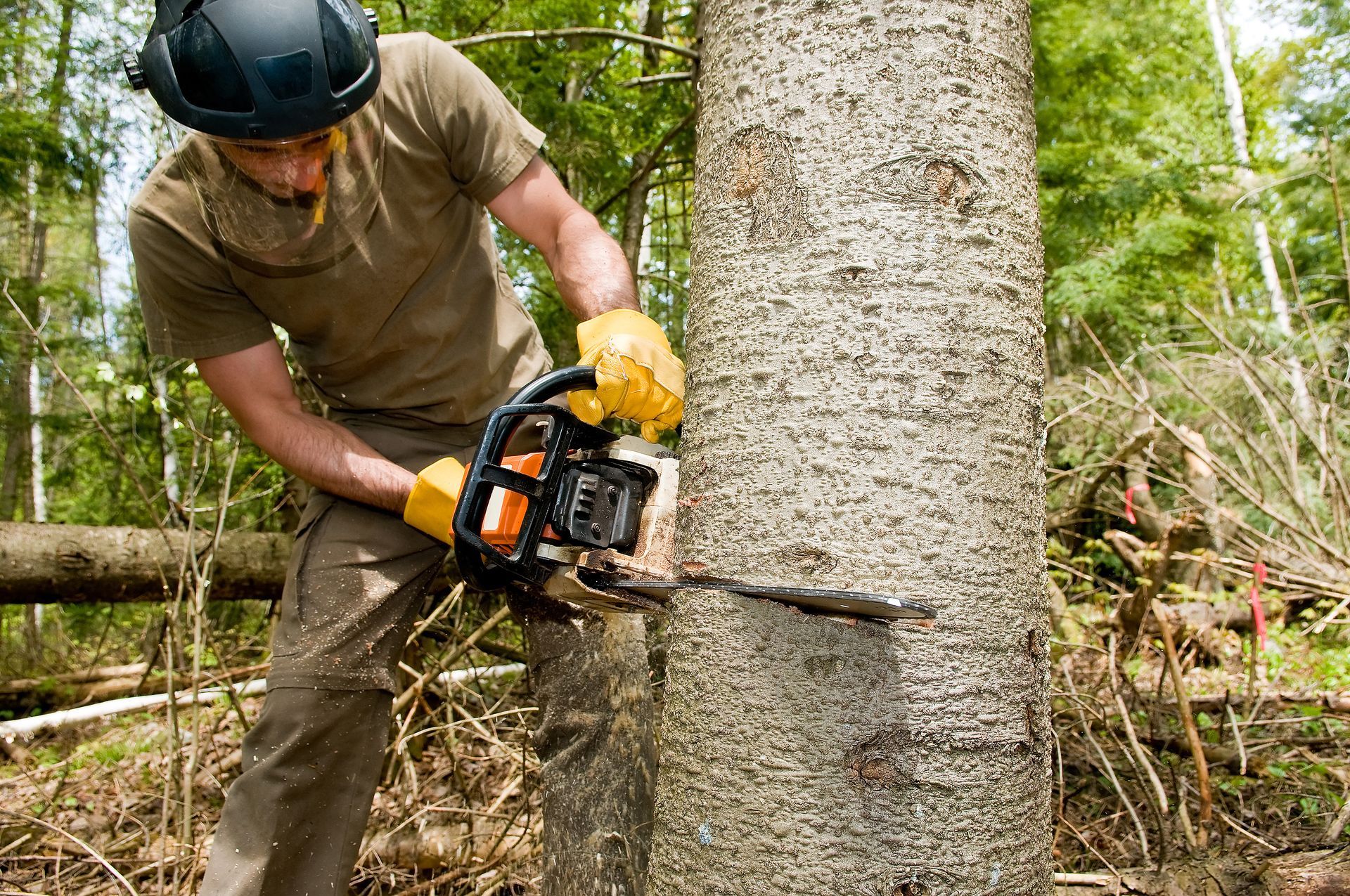
Tree removal can be dangerous if not conducted properly, particularly for large or unstable trees. DIY attempts may result in injury or additional property damage. Professional tree removal services, on the other hand, utilize specialized equipment, safety protocols, and expert knowledge to ensure safe execution. Certified arborists can strategically remove trees in a way that minimizes risk to the home and surrounding landscape. They also manage debris, roots, and environmental considerations to prevent collateral damage. Engaging a professional for tree removal ensures that the process is efficient, safe, and effective, providing homeowners with both security and peace of mind.
Complementary Protective Measures for Roof Safety
Tree removal is most effective when paired with other preventive measures. Regular roof inspections allow homeowners to catch early signs of damage before they escalate. Gutter maintenance and cleaning ensure proper water flow, reducing the chance of leaks and water accumulation. Pruning remaining trees keeps branches in check, maintaining a safe distance from the roof. Homeowners may also install physical barriers, such as gutter guards, to prevent leaves and debris from obstructing water flow. These practices, combined with tree removal, create a layered defense system that safeguards roofs against both natural and environmental threats, extending the roof’s lifespan and preserving home value.
Environmental and Landscape Considerations
While removing trees is often necessary for safety, it is also important to consider environmental impacts. Homeowners can adopt sustainable practices by planting smaller, non-invasive species in place of removed trees or by repurposing wood debris as mulch or compost. Preserving greenery elsewhere on the property helps maintain ecological balance while still ensuring safety. Choosing environmentally conscious tree removal practices demonstrates a responsible approach to property management, balancing safety with sustainability. This approach aligns with broader environmental stewardship goals, creating a safer yet eco-friendly landscape.
Tree removal is a critical component of home protection, particularly for safeguarding roofs and preventing costly damage. By understanding the risks associated with overhanging branches, falling limbs, root interference, seasonal changes, and tree health, homeowners can implement proactive strategies that reduce financial exposure and enhance property safety. Engaging professionals ensures that removal is performed safely, efficiently, and sustainably. When combined with complementary maintenance measures like roof inspections, gutter cleaning, and pruning, tree removal forms part of a comprehensive approach to home protection. For reliable, professional, and safe
tree removal services, contact Brothers in Arms Tree Services to safeguard your home today.